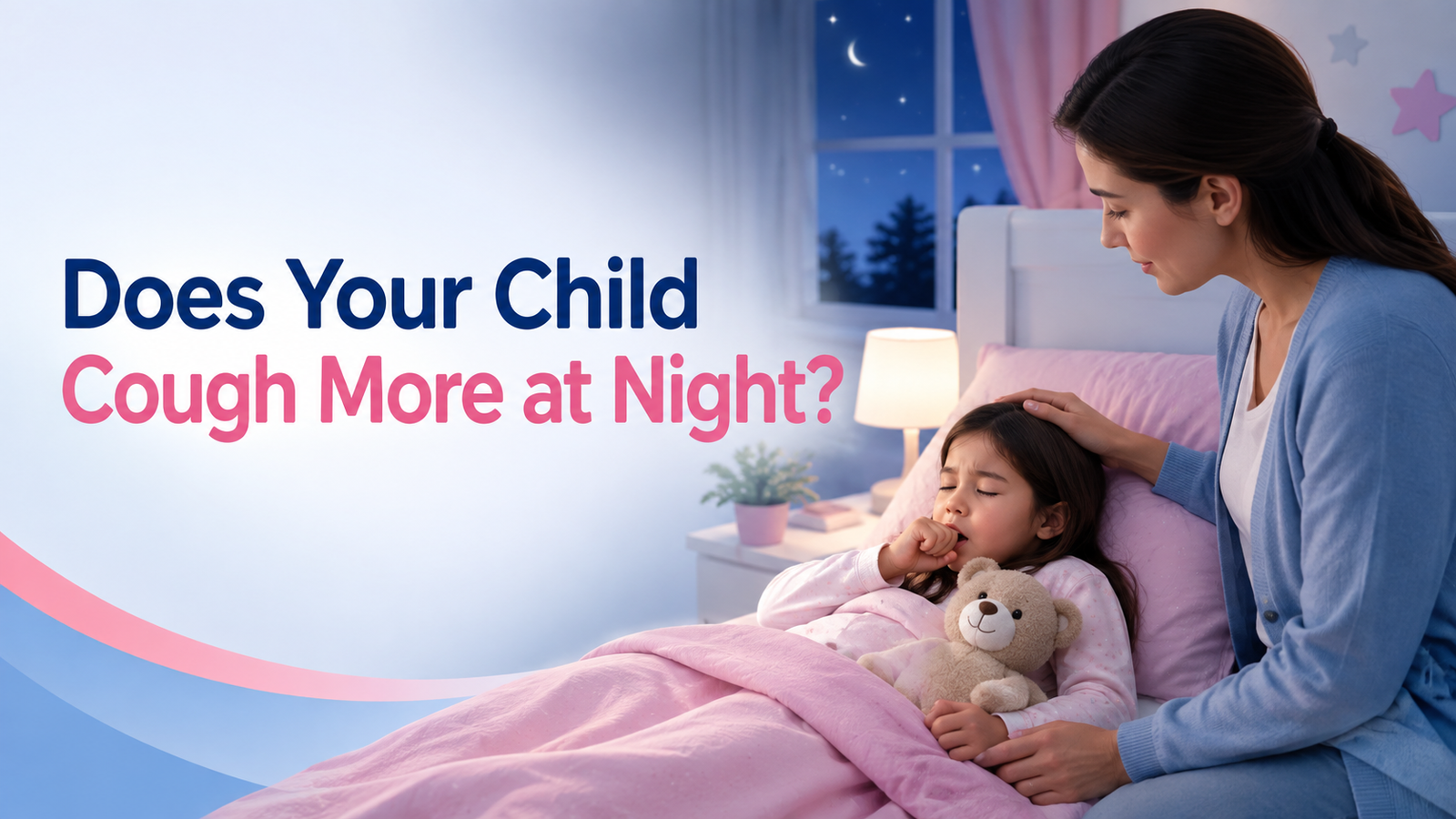


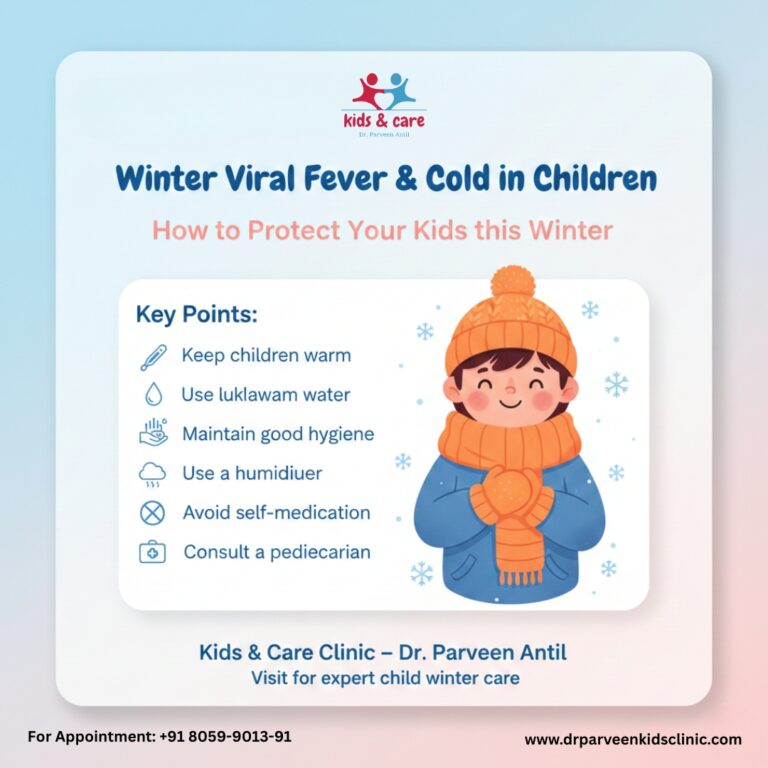
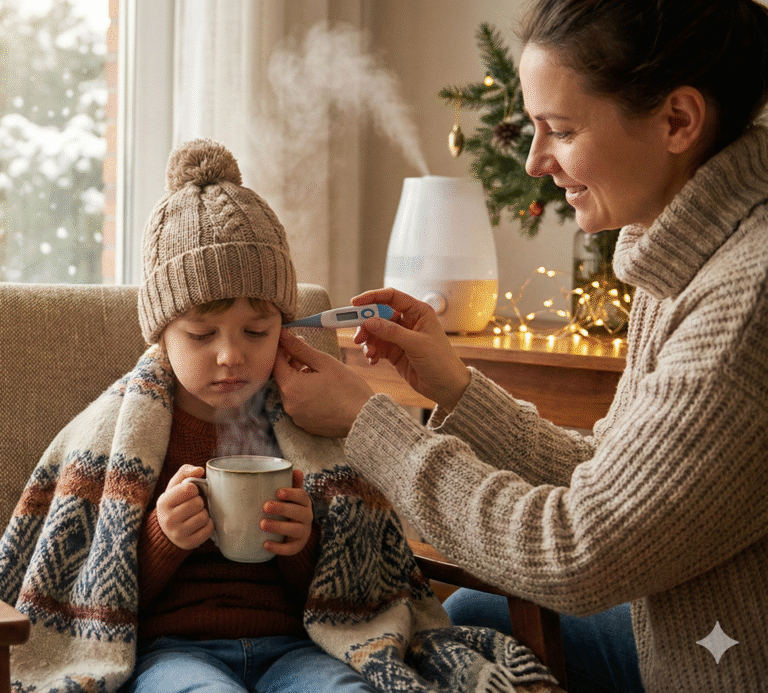
Winter is a season parents often associate with increased coughs, colds, and fevers in children. As temperatures fall, viruses become more active, and children—especially those with developing immune systems—tend to catch infections more easily. Understanding why winter viral fever and cold occur, and how to manage them, can help you protect your child throughout the chilly months.
Why Winter Viral Fever & Cold Are Common in Children
Several seasonal factors make children more vulnerable:
1. Cold & Dry Weather
Winter air lacks moisture. Dry air irritates the nose and throat, making it easier for viruses to enter and grow.
2. Increased Indoor Time
Children spend more time indoors with others during winter. This close contact helps viruses spread quickly.
3. Immature Immune System
Young children are still building immunity. Sudden temperature changes—from warm rooms to cold outdoors—add additional stress to their bodies.
4. Active Winter Viruses
Viruses like influenza, rhinovirus, RSV, adenovirus, and parainfluenza thrive in colder temperatures.
Common Symptoms of Winter Viral Fever & Cold
Parents may notice the following symptoms:
-
Mild to moderate fever
-
Runny or blocked nose
-
Sneezing
-
Sore or itchy throat
-
Body aches
-
Headache
-
Dry or wet cough
-
Fatigue and decreased appetite
-
Mild chills
Most of these symptoms are mild and improve within a few days with proper care.
How Winter Viral Infections Spread
Viral infections spread easily through:
-
Sneezing and coughing droplets
-
Touching contaminated surfaces
-
Close contact with infected children or adults
-
Poor ventilation in closed rooms
Teaching basic hygiene and maintaining a clean environment can significantly reduce the spread.
Prevention: How to Protect Children This Winter
1. Dress Appropriately
Warm layers, caps, socks, gloves, and sweaters help maintain body temperature and prevent chills.
2. Maintain Good Hygiene
Handwashing before meals and after play can reduce viral transmission.
3. Keep Indoor Air Moist
Using a humidifier can help reduce throat dryness and make breathing more comfortable.
4. Ensure Proper Hydration
Warm fluids like soups, warm water, and herbal drinks (if age-appropriate) improve comfort and hydration.
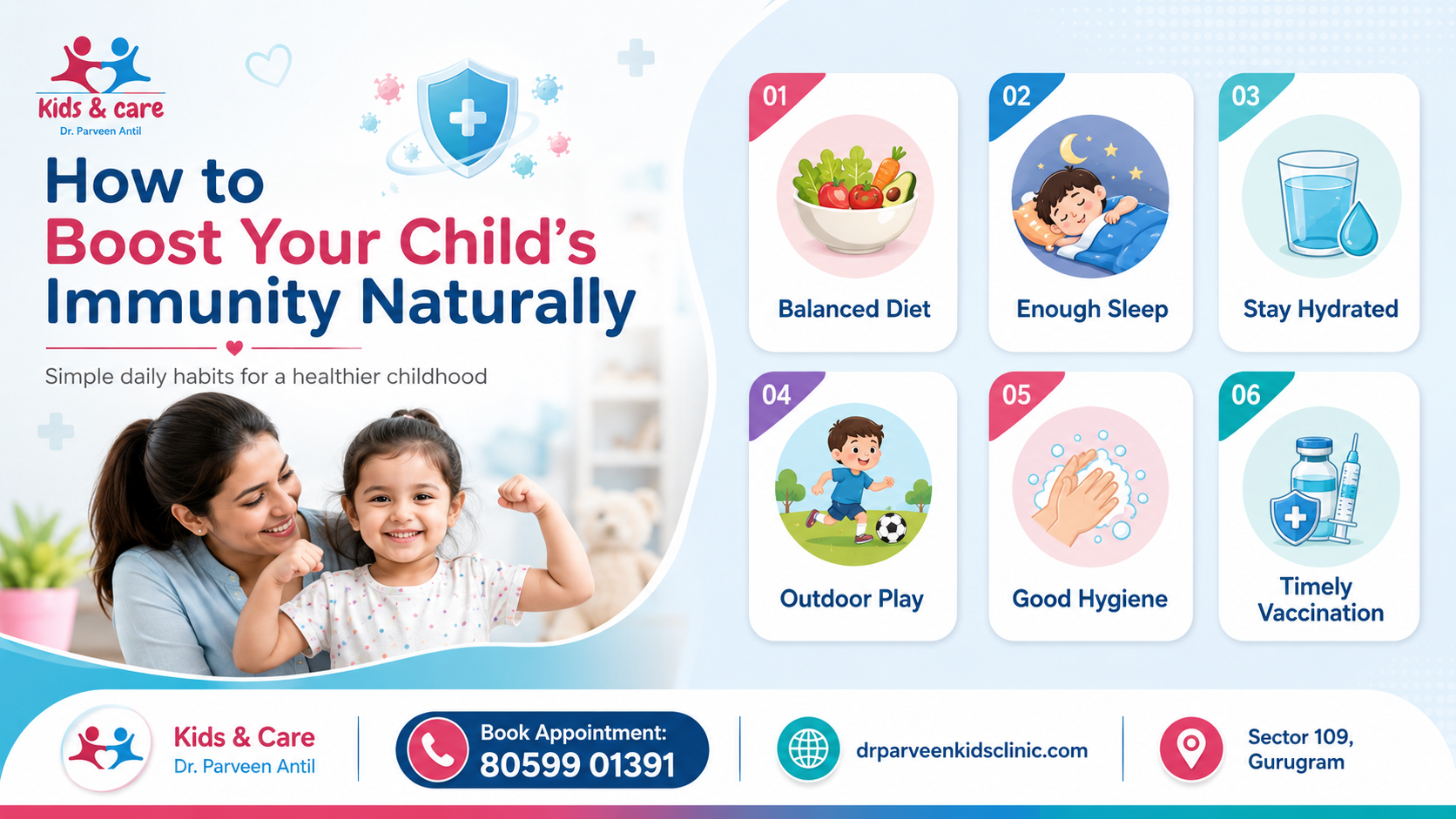
5. Strengthen Immunity
Include:
-
Seasonal fruits
-
Warm, balanced meals
-
Adequate sleep
-
Light physical activity
6. Avoid Overcrowded Environments
Crowded areas have higher chances of virus spread, especially for younger children.
7. Do Not Self-Medicate
Over-the-counter cold medicines may not be safe for kids. Always consult a doctor before giving any medicine.
Home Care Tips for Winter Cold & Fever
-
Use saline nasal drops for congestion
-
Offer warm liquids frequently
-
Use steam inhalation (age appropriate)
-
Keep the room warm and well-ventilated
-
Let the child rest adequately
-
Monitor temperature
-
Avoid giving antibiotic medicines unless prescribed
When to See a Pediatrician
Seek medical attention immediately if your child has:
-
Fever lasting more than 48 hours
-
Fast or labored breathing
-
Blue lips or fingertips
-
Severe cough or wheezing
-
Poor feeding or signs of dehydration
-
Unusual sleepiness or irritability
-
Persistent vomiting
Early doctor consultation helps prevent complications.
Final Thoughts
Winter viral fever and common cold in children are widespread but manageable conditions. With the right precautions—warm clothing, hygiene practices, proper hydration, and timely medical care—you can keep your child healthy and comfortable during the winter months. Being informed and prepared is the best way to ensure a safe, joyful winter season for your little one.