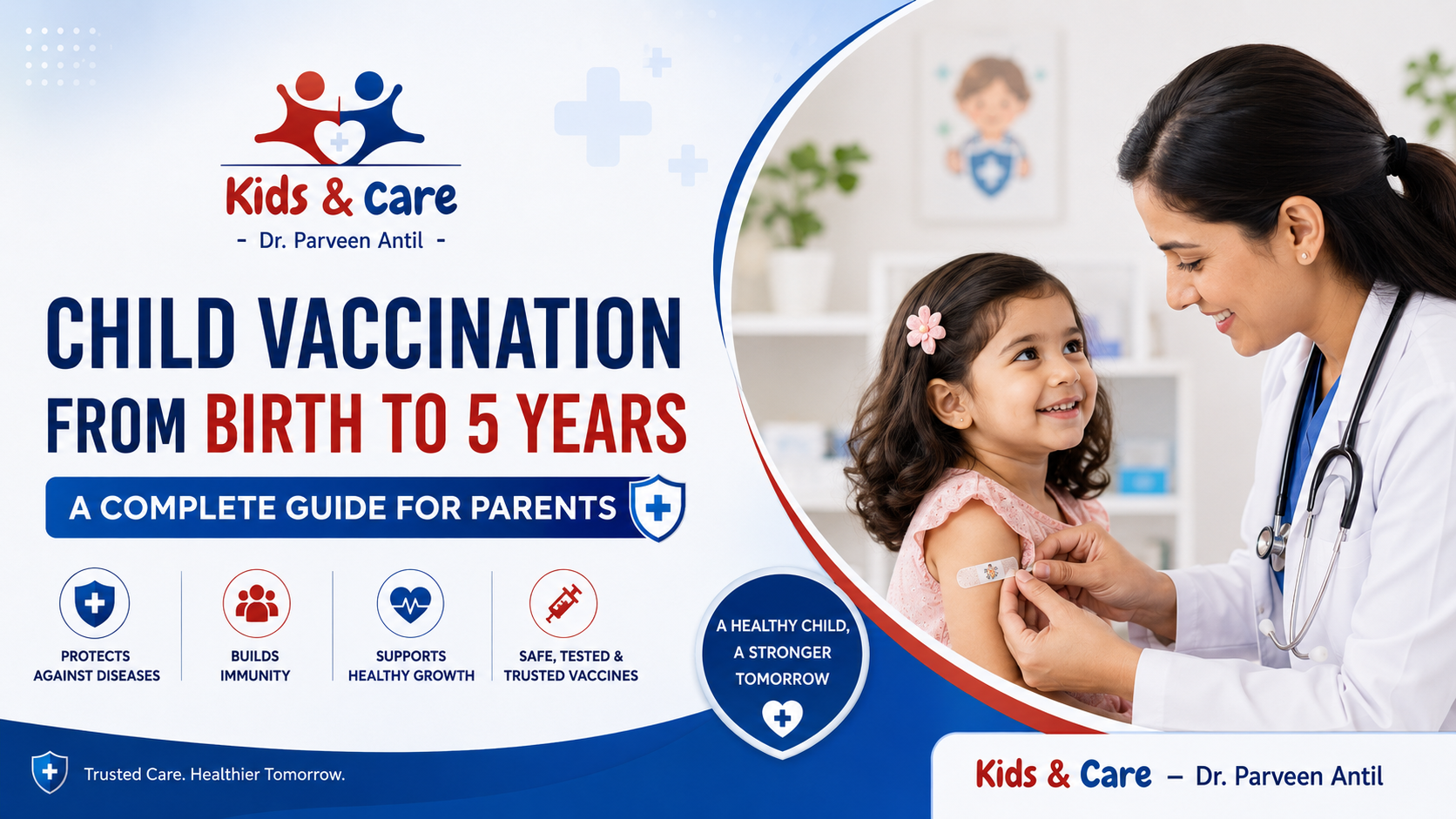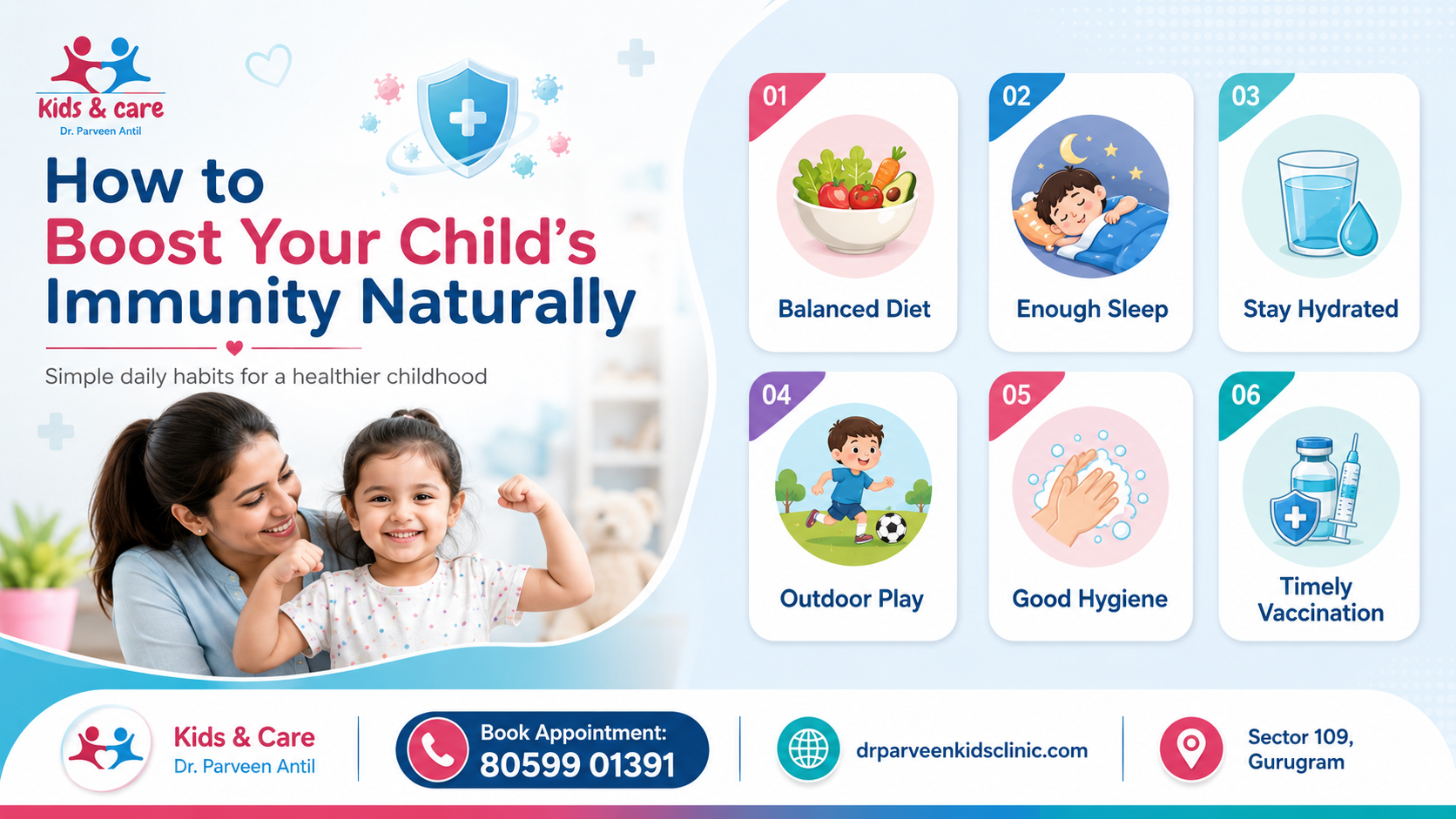

Every parent wants to give their child the healthiest possible start in life. Along with nutrition, sleep, hygiene, and regular pediatric check-ups, timely vaccination plays a vital role in protecting children from several serious and preventable diseases.
During the first few years of life, a child’s immune system is still developing. This is why vaccines are recommended at specific ages—to help the body build protection before the child is exposed to certain infections. Childhood immunization has helped protect millions of children worldwide from diseases that can otherwise lead to severe illness, disability, hospitalization, or even life-threatening complications.
This guide explains why vaccination is important from birth to 5 years of age, what parents should keep in mind, and when to consult a pediatrician.
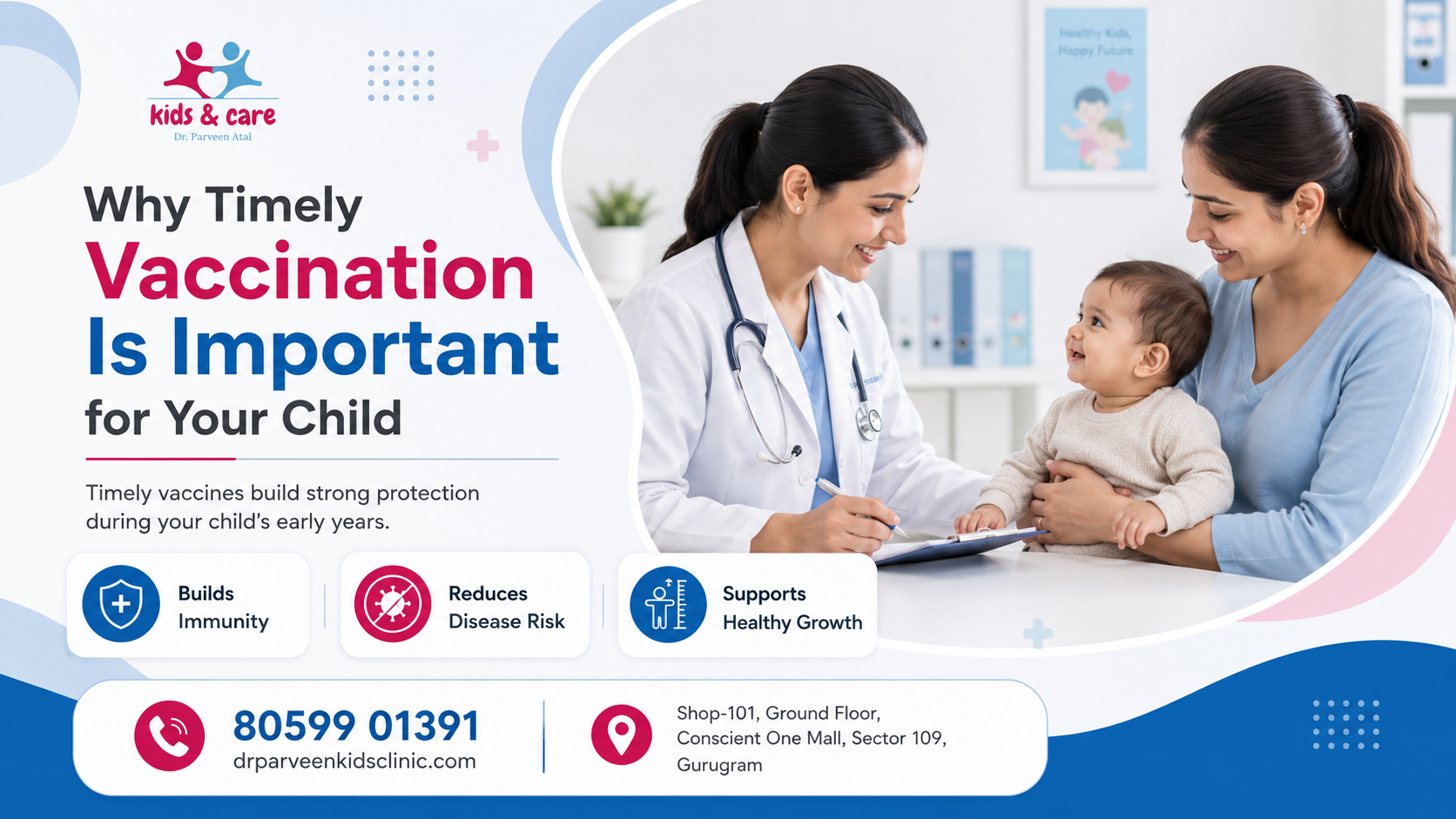
Why Is Vaccination Important for Children?
Vaccines help train the body’s immune system to recognize and fight certain germs safely. When a vaccinated child comes into contact with a disease-causing virus or bacteria later, their body is better prepared to respond.
Timely childhood vaccination can help protect children against several preventable infections, including diseases such as polio, measles, hepatitis, pneumonia-related infections, tetanus, and more. Vaccines are carefully tested for quality, safety, and effectiveness before approval, and their safety continues to be monitored after use.
Some important benefits of timely vaccination include:
- Helps protect children from serious infectious diseases
- Supports the development of immunity at the right age
- Reduces the risk of infection spreading within families and communities
- Helps prevent complications that may require hospitalization
- Gives parents greater confidence about their child’s health and protection
Why Is the Age of Vaccination So Important?
Vaccines are not given randomly. Each dose is recommended at a particular age because that is when it can provide the best protection for the child.
Many childhood vaccines are planned during the first 12 to 18 months of life because young children can be more vulnerable to infections during this period. Some vaccines require more than one dose, while others may need booster doses later to maintain strong protection.
The exact vaccination plan may differ depending on:
- Your child’s age
- Previous vaccination record
- Medical history
- Any missed doses
- Doctor’s recommendation
- Government immunization schedule and available vaccines
Parents should always keep their child’s vaccination card safe and bring it to every pediatric visit.
General Vaccination Timeline: Birth to 5 Years
The exact vaccine schedule should always be confirmed with your pediatrician. However, children commonly receive vaccines at different stages from birth through early childhood.
At Birth
Vaccines given at birth are important because they offer early protection against certain infections. Your pediatrician or hospital team may guide you regarding vaccines such as:
- BCG
- Hepatitis B
- Oral Polio Vaccine
At 6, 10 and 14 Weeks
During the first few months, children may receive vaccines that help protect against diseases such as polio, diphtheria, tetanus, pertussis, Hib infection, rotavirus infection, and pneumococcal disease.
These doses are usually given in a planned series, which is why it is important not to miss follow-up appointments.
Around 9 to 12 Months
At this stage, children may receive vaccines recommended for protection against infections such as measles and rubella, depending on the schedule advised by the doctor.
In specific areas, additional vaccines may also be recommended according to public health guidance and local disease patterns.
Between 12 and 24 Months
This period may include booster doses and additional recommended vaccines. Booster doses are important because they help maintain and strengthen the protection developed through earlier doses.
Between 4 and 5 Years
Children may need booster vaccinations before starting or continuing school. These can help maintain protection as they grow older and become more socially active in school, parks, play areas, and other public spaces.
Always consult a qualified pediatrician for your child’s personal vaccination plan instead of relying only on general information.
What Should Parents Do Before a Vaccination Appointment?
A little preparation can make vaccination day easier and more comfortable for both the child and the parents.
Carry the Vaccination Card
Your child’s vaccination record helps the pediatrician check which doses have already been given and which vaccines are due next.
Inform the Doctor About Your Child’s Health
Tell the doctor if your child has:
- Fever or any ongoing illness
- Severe allergies
- Previous vaccine reactions
- A chronic medical condition
- Ongoing medication or treatment
This helps the doctor make the right decision regarding timing and care.
Dress Your Child Comfortably
Loose, comfortable clothing makes it easier for the healthcare professional to administer the vaccine and helps keep the child relaxed.
Keep Your Child Calm
Children may feel scared when they see an injection. You can comfort them by holding them, speaking gently, carrying a favorite toy, or distracting them with a story or video.
Common Side Effects After Vaccination
Most children tolerate vaccines well. Some mild and temporary symptoms can happen after vaccination, such as:
- Mild fever
- Pain or redness at the injection site
- Slight swelling
- Temporary irritability or crying
- Feeling tired or sleepy
These symptoms are often short-term. Follow the pediatrician’s advice for post-vaccination care and avoid giving any medicine without medical guidance.
When Should You Contact a Doctor After Vaccination?
Although serious reactions are uncommon, you should seek medical advice promptly if your child develops:
- High or persistent fever
- Difficulty breathing
- Severe swelling or rash
- Extreme drowsiness or unusual weakness
- Continuous crying that does not settle
- Any symptom that feels unusual or concerning to you
Parents know their children best. If something does not seem right, it is always better to speak with a pediatrician.
What If Your Child Misses a Vaccine Dose?
Missing a vaccine dose can happen because of illness, travel, a busy routine, or simply forgetting the appointment. There is no need to panic, but it is important not to delay further.
Do not restart the vaccination schedule on your own. Instead, visit a pediatrician with your child’s vaccination card. The doctor can review the previous doses and create a suitable catch-up vaccination plan.
A missed dose should be addressed as early as possible so your child continues to receive protection at the right time.
How Can Parents Keep Track of Vaccinations?
Parents can stay organized by following a few simple steps:
- Keep the vaccination card in a safe place
- Set phone reminders before each due date
- Ask the clinic for the next appointment date before leaving
- Save the pediatrician’s contact number
- Keep a digital photo or scanned copy of the vaccination record
- Inform the doctor about any missed doses immediately
Small reminders can prevent unnecessary delays and help ensure your child receives timely care.
Choose Safe and Reliable Vaccination Support for Your Child
When it comes to your child’s health, choosing a qualified pediatrician and a safe, child-friendly clinic matters. Parents should look for proper medical guidance, hygienic practices, reliable vaccine handling, and support before and after vaccination.
At Kids & Care – Dr. Parveen Antil, parents can receive professional guidance regarding their child’s vaccination needs, vaccination schedule, missed doses, and post-vaccination care.
The clinic offers a caring and child-friendly environment where parents can discuss their concerns with a pediatric professional and receive appropriate guidance based on the child’s age, vaccination record, and medical history.
For safe vaccination support and pediatric consultation, you may visit Kids & Care Clinic or book an appointment in advance.
Kids & Care – Dr. Parveen Antil
Shop-101, Ground Floor, Conscient One Mall, Sector 109, Gurugram
Book an Appointment: +91 8059-9013-91
Important note: Vaccine availability, type, timing, and suitability may vary based on a child’s age, health condition, previous vaccination record, and pediatrician’s advice. Please consult a qualified pediatrician for a personalised vaccination plan.