
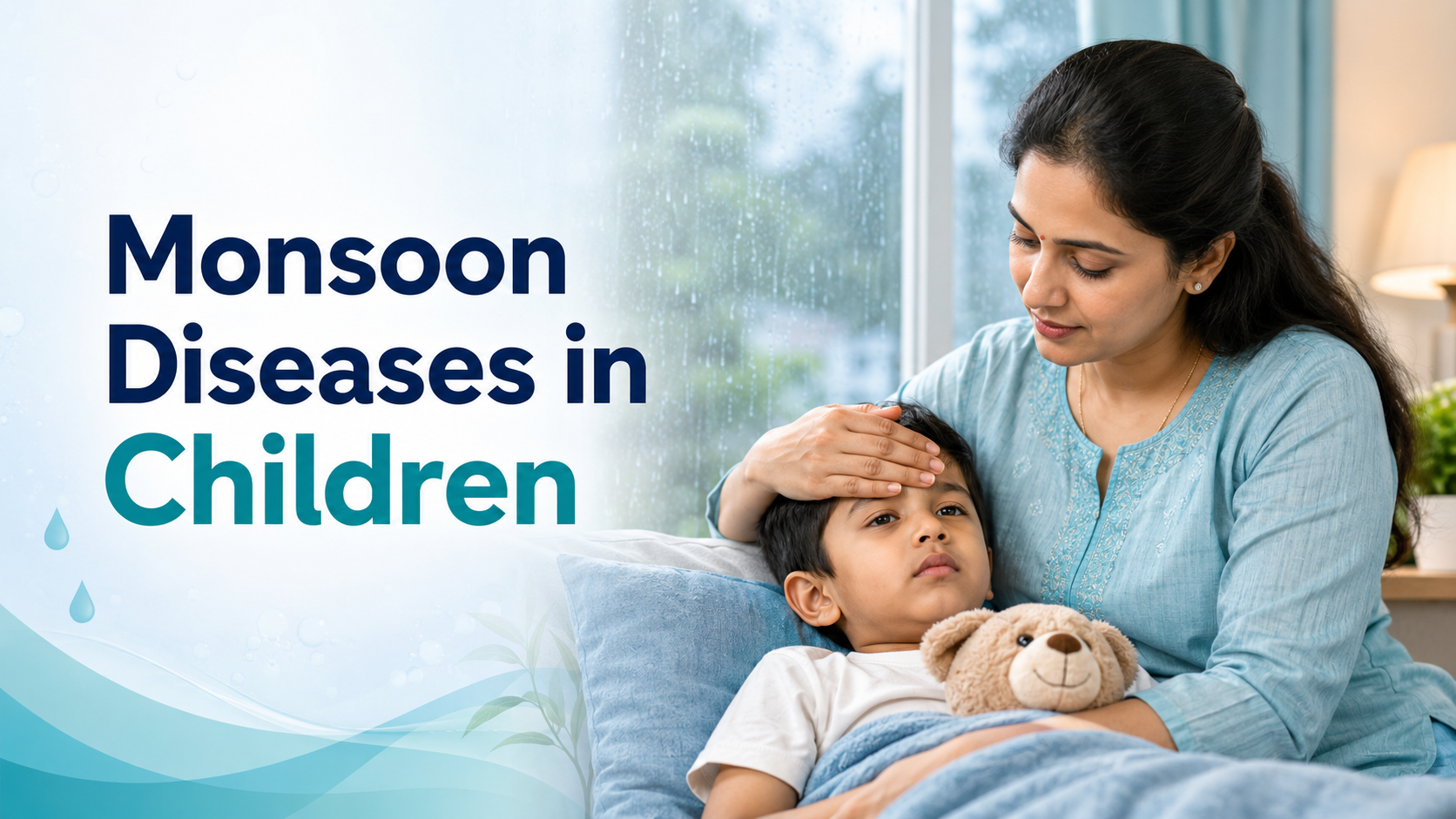
The monsoon season brings welcome relief from the summer heat, but it also creates conditions in which mosquitoes, bacteria, viruses and fungi can grow rapidly. Waterlogging, contaminated food and water, increased humidity, and close contact at schools can make children more vulnerable to seasonal illnesses.
A mild cough or upset stomach may settle with proper care, but some infections can become serious if their warning signs are ignored. Understanding common monsoon diseases in children can help parents take preventive measures and seek medical attention at the right time.
Why Do Children Fall Sick More Often During Monsoon?
Children’s immune systems are still developing, making them more susceptible to infections. During the rainy season, disease-causing organisms multiply more easily because of moisture and humidity.
The most common reasons children become unwell during monsoon include:
- Drinking contaminated water
- Eating uncovered, stale or unhygienic food
- Mosquito breeding in stagnant water
- Increased exposure to infections at school or daycare
- Wearing wet clothes or shoes for long periods
- Poor hand hygiene
- Damp surroundings that encourage fungal growth
Not every fever during monsoon is dengue or malaria. However, parents should avoid self-diagnosis because several seasonal infections can produce similar symptoms.
Common Monsoon Diseases in Children
1. Viral Fever and Respiratory Infections
Viral infections are very common among children during the rainy season. They can spread through respiratory droplets, contaminated hands and close contact with an infected person.
Common symptoms include:
- Fever or chills
- Runny or blocked nose
- Cough and sore throat
- Headache
- Body pain
- Tiredness
- Reduced appetite
Most mild viral illnesses improve with rest, sufficient fluids and appropriate medical advice. However, a child with persistent fever, breathing difficulty or unusual drowsiness should be examined by a pediatrician.
Do not start antibiotics without a doctor’s recommendation. Antibiotics do not treat viral infections and should only be used when prescribed for a confirmed or suspected bacterial infection.
2. Dengue Fever
Dengue is transmitted through the bite of an infected Aedes mosquito. These mosquitoes often bite during the daytime and can breed in small collections of clean, stagnant water.
Symptoms of dengue may include:
- Sudden high fever
- Severe headache
- Pain behind the eyes
- Muscle and joint pain
- Nausea or vomiting
- Skin rash
- Unusual tiredness
According to the World Health Organization, warning signs of severe dengue can sometimes appear when the fever begins to settle. Severe abdominal pain, repeated vomiting, bleeding, extreme weakness, restlessness or difficulty breathing require urgent medical attention. (WHO: Dengue and severe dengue)
If dengue is suspected, consult a pediatrician instead of giving medicines on your own. Certain painkillers may increase the risk of bleeding and should not be given unless advised by a doctor.
3. Malaria
Malaria is caused by parasites transmitted through the bite of infected mosquitoes. Children under five are among the groups at greater risk of developing severe illness.
Possible symptoms include:
- Fever that may come and go
- Chills and shivering
- Sweating
- Headache
- Body ache
- Vomiting
- Weakness or fatigue
Symptoms of malaria can overlap with dengue and other infections. A doctor may recommend blood tests based on the child’s condition and medical history. Confusion, seizures, difficulty breathing or extreme weakness should be treated as an emergency. (WHO: Malaria)
4. Diarrhoea and Gastroenteritis
Food and water can easily become contaminated during the rainy season. This can cause loose stools, vomiting and stomach infections, particularly in younger children.
Watch for:
- Frequent loose or watery stools
- Vomiting
- Abdominal cramps
- Fever
- Reduced appetite
- Dry mouth
- Fewer wet diapers or reduced urination
- Lack of tears while crying
- Unusual sleepiness or irritability
The main concern with diarrhoea and vomiting is dehydration. Continue breastfeeding infants and offer fluids as advised. Oral Rehydration Solution, or ORS, helps replace lost water and salts, but it should be prepared exactly according to the packet instructions. WHO recommends ORS for managing fluid loss due to diarrhoea. Zinc may also be advised for children, but the dose and duration should be decided by a healthcare professional. (WHO: Diarrhoeal disease)
Seek medical advice if your child cannot keep fluids down, passes blood in the stool, has persistent vomiting or shows signs of dehydration.
5. Typhoid Fever
Typhoid can spread through food or water contaminated by Salmonella Typhi bacteria. Poor sanitation and unsafe drinking water can increase the risk during monsoon.
Possible symptoms include:
- Persistent fever
- Headache
- Abdominal discomfort
- Weakness
- Loss of appetite
- Constipation or diarrhoea
- Vomiting in some children
Typhoid cannot be confirmed based on symptoms alone. A pediatrician may advise appropriate tests and treatment. Avoid using leftover antibiotics, as incorrect medication can delay diagnosis and contribute to antibiotic resistance.
6. Skin and Fungal Infections
High humidity, sweating and damp clothes can contribute to fungal infections, rashes and other skin problems.
Common signs include:
- Red or itchy patches
- Ring-shaped rashes
- Peeling skin
- Rash between the toes
- Small boils or pus-filled spots
- Irritation in skin folds
Keep the child’s skin clean and dry. Change wet clothes, socks and shoes promptly. Avoid sharing towels and do not apply steroid-containing creams without medical advice, as they may worsen certain fungal infections.
7. Eye Infections
Eye redness or conjunctivitis may occur during the rainy season and can spread easily through contaminated hands, towels or close contact.
Symptoms may include:
- Redness of one or both eyes
- Watery eyes
- Sticky discharge
- Itching or irritation
- Swollen eyelids
Encourage your child not to rub their eyes. Use a clean towel and do not share it with other family members. Eye drops should only be used after medical advice, especially if there is pain, sensitivity to light or blurred vision.
How Can Parents Protect Children During Monsoon?
Maintain Good Hand Hygiene
Teach children to wash their hands with soap and water:
- Before eating
- After using the toilet
- After playing outdoors
- After coughing or sneezing
- After returning from school
Parents and caregivers should also wash their hands before preparing food or feeding a young child.
Provide Safe Food and Drinking Water
Use filtered or properly boiled water as appropriate for your household. Keep drinking water covered and stored in clean containers.
Offer freshly cooked meals and wash fruits and vegetables thoroughly. Avoid uncovered street food, cut fruit kept outdoors, stale food and food with an unusual smell or appearance.
Prevent Mosquito Bites
Mosquito control is essential for preventing dengue and malaria.
- Empty water from coolers, pots, trays and buckets regularly.
- Keep water-storage containers properly covered.
- Avoid allowing rainwater to collect around the home.
- Use mosquito nets, especially for infants.
- Dress children in light, full-sleeved clothing when practical.
- Use age-appropriate mosquito repellents according to their instructions.
- Keep doors and windows screened where possible.
Remember that dengue mosquitoes can bite during the daytime, so protection should not be limited to nighttime.
Keep Children Dry and Comfortable
Change wet clothes and footwear immediately after the child returns home. Dry the spaces between the toes and skin folds carefully. Ensure that shoes, socks and towels are completely dry before reuse.
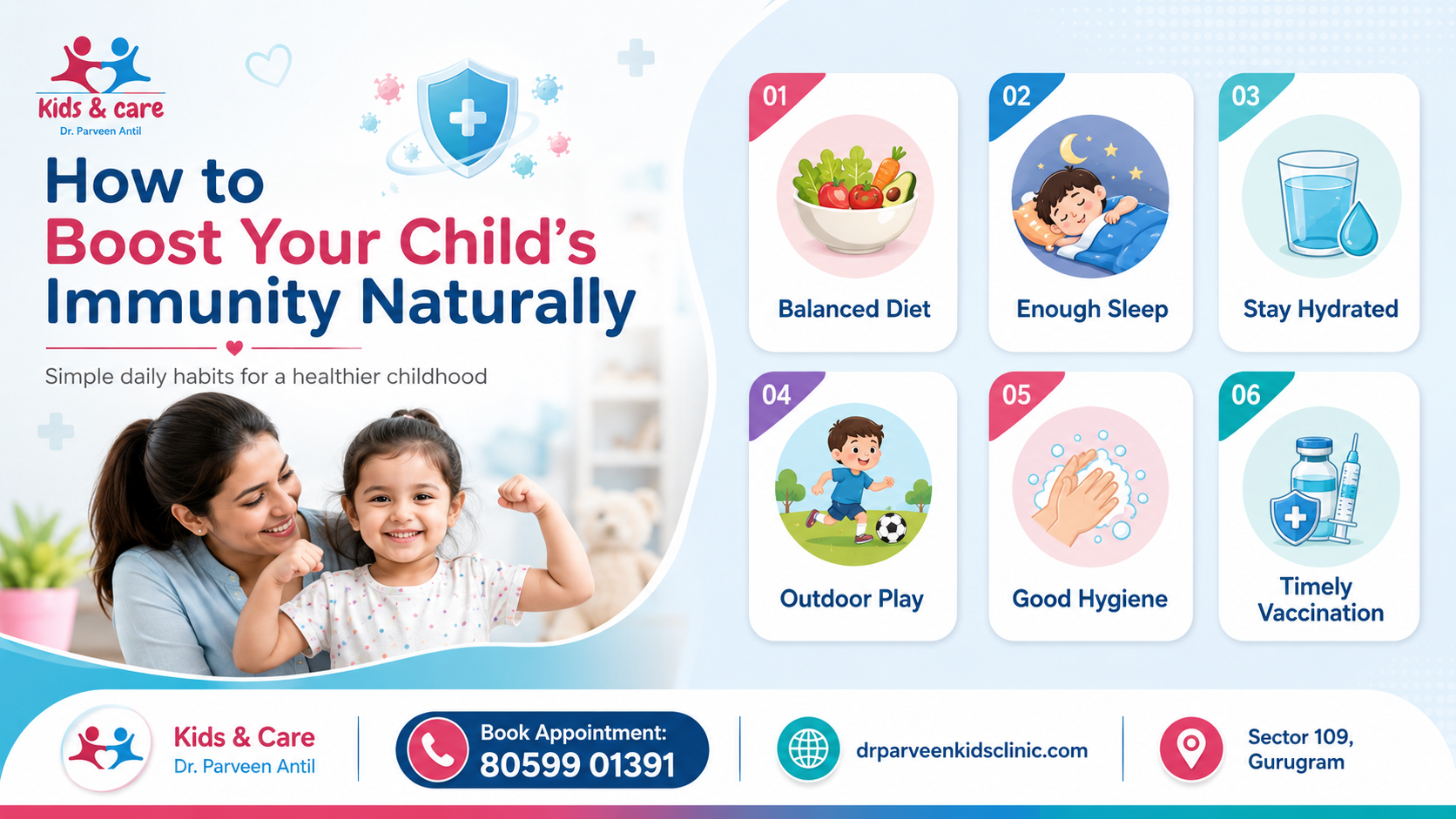
Support Your Child’s Immunity
There is no single food or supplement that can prevent every infection. A balanced routine is more helpful.
Encourage:
- A varied, nutritious diet
- Adequate water and fluids
- Sufficient sleep
- Regular age-appropriate physical activity
- Timely vaccinations
- Regular pediatric health check-ups
Do not give immunity supplements or herbal remedies to a child without discussing them with a pediatrician.
When Should You Visit a Pediatrician?
Contact a pediatrician if your child has:
- Fever that persists, repeatedly returns or is getting worse
- Repeated vomiting or frequent loose stools
- Poor feeding or refusal to drink
- Severe cough, wheezing or ear pain
- An unexplained rash
- Severe stomach pain
- Unusual weakness, irritability or sleepiness
- Pain while passing urine
- Reduced urination
- Symptoms that are not improving as expected
- An existing medical condition that appears to be worsening
Babies, young children and children with chronic health conditions can become unwell more quickly. When you are concerned about your child’s behaviour or condition, it is always reasonable to contact your pediatrician.
Emergency Warning Signs Parents Should Not Ignore
Take your child to the nearest emergency facility immediately if you notice:
- Fast, difficult or laboured breathing
- Ribs pulling in while breathing
- Blue or grey lips or face
- Seizures
- Loss of consciousness or difficulty waking the child
- Severe dehydration, such as no urine for several hours, a very dry mouth or no tears
- Persistent vomiting
- Blood in vomit or stool
- Severe or continuous abdominal pain
- Unusual bleeding from the nose or gums
- Extreme restlessness, confusion or drowsiness
- Fever in a baby younger than three months
These signs may indicate a serious infection or complication and should not be managed only with home remedies. (CDC: Emergency warning signs in children)
A Healthy Monsoon Begins with Early Care
The rainy season does not have to mean repeated illness. Clean drinking water, hygienic food, mosquito control, regular handwashing and timely medical attention can significantly reduce your child’s risk.
More importantly, observe your child rather than focusing only on the temperature reading. Poor feeding, unusual sleepiness, breathing difficulty, persistent vomiting or reduced urination may provide important clues that the child needs medical attention.
If your child develops fever, stomach problems, breathing symptoms or any other concerning signs during monsoon, consult a qualified pediatrician for proper evaluation instead of relying on self-medication.
Consult a Pediatrician in Sector 109, Gurgaon
For consultation regarding fever, seasonal infections, vaccination, newborn care and your child’s growth and development, visit:
Kids & Care Clinic
Dr. Parveen Antil – Consultant Pediatrician
Conscient One Mall, Sector 109, Gurgaon
Appointment Number: 80599 01391
Medical disclaimer: This article is intended for general awareness and does not replace a medical examination, diagnosis or personalised treatment. Always consult a qualified pediatrician regarding your child’s symptoms or medicines.